If you found this article useful, please consider subscribing to our YouTube channel and sharing this post on social media. All posts are regularly updated and closely monitored by our Highly Qualified Editors, ensuring you get genuine and up-to-date news. We do not engage in fake news or advertisements. We are a Student-First Startup.
Building Self-Esteem: Overcoming Body Image Issues
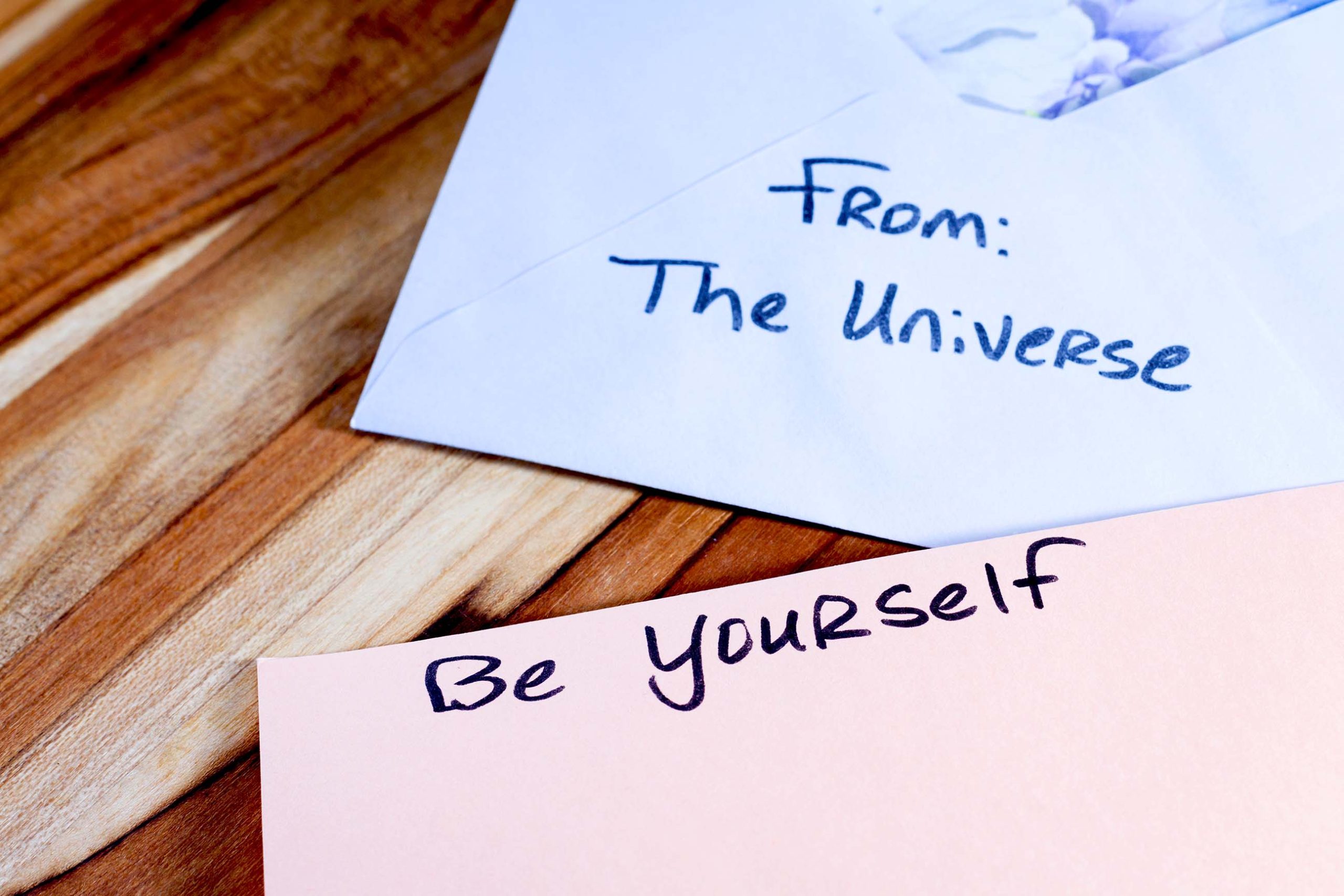
Table of Contents
Celebrating Self-Esteem and Natural Skin
Many teenagers grow up believing they must meet certain beauty standards. There’s pressure to get eyebrows done, schedule waxing appointments, shave regularly, and conform to a polished image. These expectations can make those who don’t follow them feel less clean or privileged compared to others.
However, as people grow older, it becomes clear that the race to look perfect intensifies daily. Celebrities like Jennifer Winget, who post natural, unfiltered photos, shed light on how difficult it can be to embrace natural beauty in a world focused on unrealistic ideals. Seeing unedited photos of natural armpits with tiny hairs, pigmentation, and rough skin can feel shocking, as the media often presents a flawless image through editing and cosmetic enhancements.
It’s important to recognize that issues like dark underarms are normal. Factors like heat, sweat, and fabric friction cause skin changes over time. No one’s skin is perfect, no matter what advertisements suggest. Celebrities often undergo cosmetic treatments but still promote hair removal creams or razors, pushing the idea of “ideal beauty.”
Society pressures individuals with darker skin to lighten it with fairness creams or treatments. Acne scars or uneven skin tones are covered up with concealers, and beauty routines now require numerous masks and treatments. These products often play on insecurities about appearance and, over time, harm self-confidence.
Intersecting Pressures: Beauty Standards and Workplace Bias
A study by the Centre for Equity Studies reveals that 68% of women in India face body image discrimination at work. This can include subtle remarks about weight or looks, as well as biases in hiring and promotions. Women from marginalized communities, such as Dalit and Adivasi women, experience even more discrimination due to the combined effects of caste, class, and gender. Addressing these systemic biases is crucial to creating a more equitable workplace.
Body image discrimination impacts marginalized women more severely, particularly those from oppressed castes or communities. The pressure to conform to beauty standards adds to the systemic oppression they already face. Ageism also affects older women, who are often undervalued in a youth-focused work culture. Acknowledging these intersecting challenges helps us understand the barriers to women’s progress in the workplace.
For many, these issues begin in childhood, as seen in the case of Prachi Nigam, a teenager who topped her 10th board exam. Despite her success, Prachi faced bullying and marketing exploitation due to her appearance. Her experience highlights how body image issues affect girls in both rural and urban areas from an early age.
Fostering Confidence and Equality: Breaking Beauty Norms at Work
Tackle ingrained biases
Addressing body image discrimination and ageism involves confronting and challenging deep-rooted societal norms that often dictate what is considered acceptable or desirable. This requires a collective effort to raise awareness about how these biases manifest in everyday life and to promote dialogue that questions these harmful standards. By encouraging critical thinking and self-reflection, individuals and communities can work towards creating a more inclusive society that values people for who they are rather than how they look or their age.
Promote Diversity and Inclusion
Organizations must make diversity a core priority by implementing initiatives that actively seek to create environments where everyone feels valued and included. This includes developing hiring practices that prioritize diverse backgrounds, fostering a culture of respect, and ensuring that all employees have a voice in decision-making processes. When organizations embrace diversity, they benefit from a wider range of perspectives and ideas, which can lead to increased innovation and improved performance.
Implement Training Programs
Unconscious bias and sensitivity training can play a critical role in reducing discriminatory behavior and promoting respect among employees. These programs educate individuals about the existence of biases that affect their perceptions and interactions with others. By incorporating practical exercises and discussions, training can help build empathy and understanding, leading to a more harmonious workplace where all employees feel respected and valued for their contributions.
Mentorship and Leadership Programs
Providing mentorship and leadership development opportunities for women is essential for advancing their careers and breaking down barriers. These programs can pair aspiring leaders with experienced mentors who can offer guidance, support, and networking opportunities. By investing in the professional growth of women, organizations not only empower individuals but also contribute to a more balanced representation of women in leadership roles, fostering a culture of equality.
Encourage Flexible Work Policies
Flexible working arrangements, such as remote work and adjustable hours, can accommodate the diverse needs of employees, particularly those who may face challenges related to caregiving or other personal responsibilities. By creating a supportive culture that values work-life balance, organizations can enhance employee satisfaction and retention, leading to a more productive and engaged workforce.
Address Workplace Discrimination
It’s essential to directly address body image and ageism in the workplace to cultivate an environment that celebrates diversity and inherent worth. This includes implementing clear policies against discrimination, offering resources for employees to report issues, and fostering open discussions about the impact of these biases. Creating a culture that actively combats discrimination contributes to a more inclusive and supportive work environment for everyone.
References
Popular Right Now !
Inflation Calculator: What Will Be the Value of ₹100K in a Few Decades?
If inflation continues at a steady rate of 4% per year, the value of ₹1 lakh will decrease significantly in the future. .

UGC Revolutionizes U.G Education with Flexible Degree Completion Norms
The University Grants Commission (UGC) is set to revolutionize higher education in India by introducing flexible. . . .
It’s true. I have been taunted because of my baldness since my college days. People love to poke fun at your weaknesses.
Your point of view caught my eye and was very interesting. Thanks. I have a question for you.