If you found this article useful, please consider subscribing to our YouTube channel and sharing this post on social media. All posts are regularly updated and closely monitored by our Highly Qualified Editors, ensuring you get genuine and up-to-date news. We do not engage in fake news or advertisements. We are a Student-First Startup.
The Pressure to Succeed: How India’s Education System is Failing Its Students
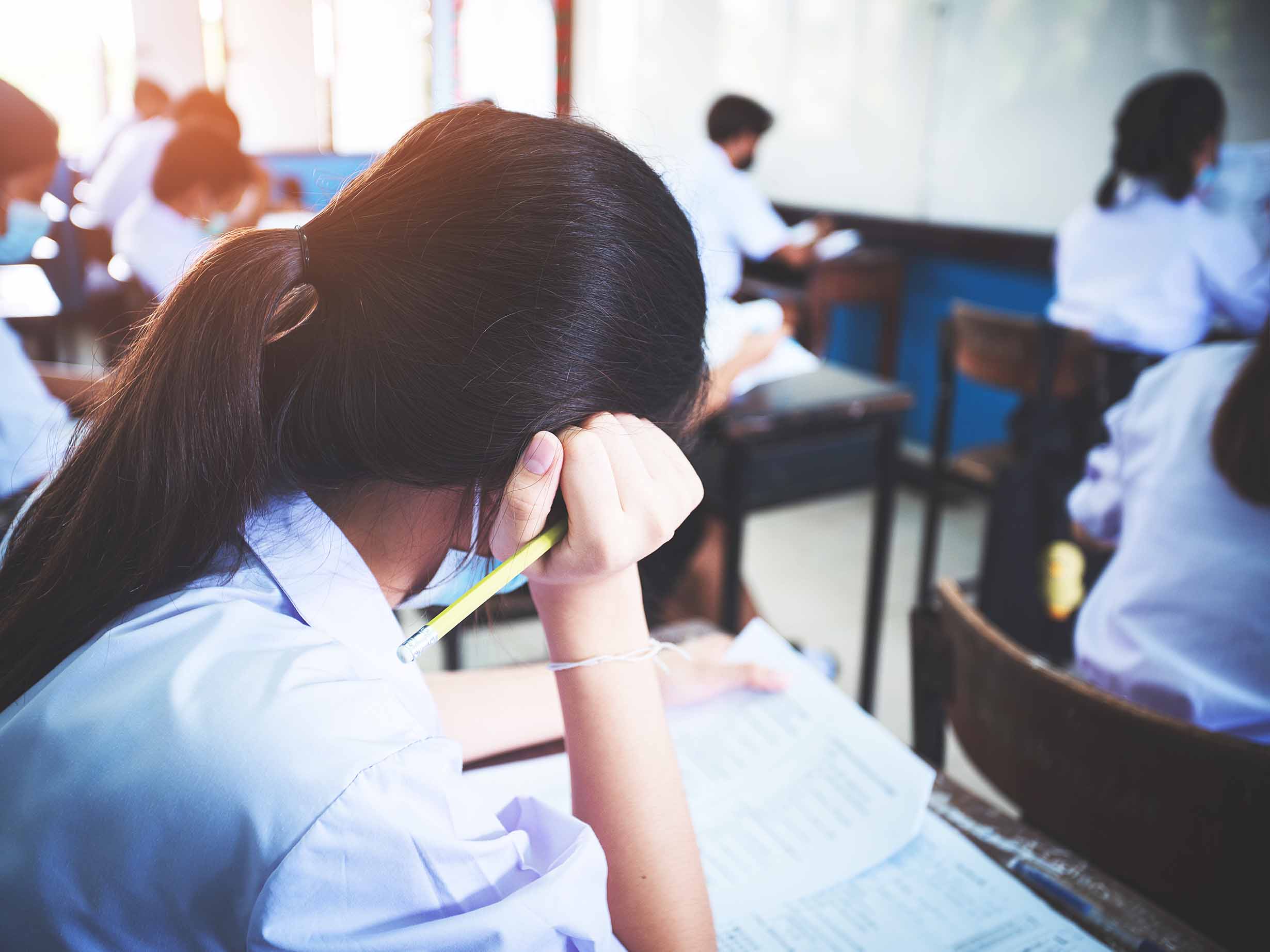
Table of Contents
Addressing the Challenges of India's Decentralized and Competitive Education System
India’s education system is decentralized, giving states significant control. It includes 5 years of primary education, 5 years of secondary education, and 2 years of higher secondary, followed by higher education. The curriculum varies across regions.
In India’s competitive education environment, the intense focus on top grades and entrance exams creates immense pressure on students. Many face anxiety, low self-esteem, depression, and, in severe cases, suicidal thoughts. The rise of coaching centers, especially in places like Kota, intensifies this stress. This situation highlights the urgent need for reforms, with a focus on holistic development, mental health support, and a more nurturing educational approach for students.
Bridging the Gap
India’s curriculum has several outdated elements that do not align with modern industry requirements. Subjects like math and science are often taught without real-world connections, making them feel abstract. Key areas like artificial intelligence, data science, and entrepreneurship are either missing or not properly addressed. This leaves students unprepared for the skills needed in today’s fast-evolving job market.
Pressure to Succeed
Students today face an array of challenges that significantly impact their mental health, often leading to stress, anxiety, and burnout. One of the most daunting is the transition phase—whether it’s moving from high school to college or transferring to a new educational institution. These transitions disrupt familiar support systems and introduce students to unfamiliar academic and social environments, triggering feelings of anxiety, homesickness, and overwhelming stress as they struggle to adapt.
The heavy academic demands compound these stresses, with students juggling excessive workloads, sky-high expectations, and the pressure to excel in competitive environments. The relentless pursuit of academic success often leaves students emotionally drained, making it difficult to maintain a healthy balance.
In addition to academic pressures, the rise of substance abuse, including alcohol and drug misuse, has further complicated mental health problems. Many students resort to self-medication or experimentation, fueled by easy access to information and increased internet usage. With social media and WhatsApp groups becoming a breeding ground for peer influence, students are increasingly exposed to misguided advice and pressure to cope with stress through unhealthy means, leading to addiction and worsening mental health issues.
The convergence of these factors—academic strain, transitional challenges, and substance abuse—creates a perfect storm that takes a serious toll on students’ overall well-being.
Are We Equipping Students for Real-World Success?
The ASER 2023 report highlights significant issues within India’s education system. Although enrollment rates are encouraging, the learning outcomes raise serious concerns. As someone passionate about education, one must wonder: Are we genuinely equipping our youth for the 21st century?
Practical, hands-on experience is vital across all fields, yet it is often absent in Indian education. Many students graduate without real-world exposure, particularly in technical and vocational programs. While they may perform well in theoretical knowledge, they often lack the practical skills that industries require. There is insufficient emphasis on internships, project-based learning, and on-the-job training, leading to a disconnect between students’ education and the demands of the job market. This disconnect can also be seen in higher education, where even Ph.D. graduates face challenges that force them to leave academia, as discussed in Why an Increasing Number of Ph.Ds Are Leaving Academia
High Enrollment, Low Skills
Despite significant enrollment rates, foundational skills are concerningly low. Only 75% of students can read a basic text, and just 43% can solve simple division problems. This raises questions about the effectiveness of current teaching methods and curricula.
Engagement Over Finances
The leading cause of dropout rates (18.9%) is a lack of interest, indicating the need for a more relevant and engaging curriculum.
Leveraging Technology for Creativity
While 78% of students primarily use smartphones for entertainment, 35% use them for creative activities like music and photography. This suggests a potential to incorporate these interests into the educational framework.
Mentorship and Leadership Programs
Providing mentorship and leadership development opportunities for women is essential for advancing their careers and breaking down barriers. These programs can pair aspiring leaders with experienced mentors who can offer guidance, support, and networking opportunities. By investing in the professional growth of women, organizations not only empower individuals but also contribute to a more balanced representation of women in leadership roles, fostering a culture of equality.
Diverging Aspirations
The survey highlights differing career aspirations between genders, with girls placing a higher priority on higher education, while boys are more focused on immediate income generation.
The Importance of Role Models
Nearly 45% of students aspiring for certain careers do not know anyone in that field. Increasing exposure to role models could inspire and inform their career choices.
Actionable Recommendations
Embrace Digital Learning
Utilize technology to establish open learning models that encourage creativity and develop 21st-century skills, free from traditional constraints.
Rethink Curriculum Relevance
Education should reflect the aspirations and realities of young people. We must design a curriculum that sparks interest and equips students for the dynamic job market.
Empower Youth Through Mentorship
Provide access to role models who can help dismantle social barriers and guide students in their career exploration.
Foster Lifelong Learning
Move beyond a system that evaluates students solely on exam scores. Instead, create an education framework that promotes lifelong learning, empowers future generations, and bridges the gap between education and real-world skills.
References
Popular Right Now !

Building Self-Esteem: Overcoming Body Image Issues
Many teenagers grow up believing they must meet certain beauty standards. There’s pressure. .

Navratri & Durga Puja 2025: Modern Celebrations vs Traditions
India, a land of colors, rhythms, and spirituality, welcomes each festival with unparalleled enthusiasm. Among the grandest of them are Navratri and Durga Puja,