If you found this article useful, please consider subscribing to our YouTube channel and sharing this post on social media. All posts are regularly updated and closely monitored by our Highly Qualified Editors, ensuring you get genuine and up-to-date news. We do not engage in fake news or advertisements. We are a Student-First Startup.
Navratri & Durga Puja 2025: Modern Celebrations vs Traditions
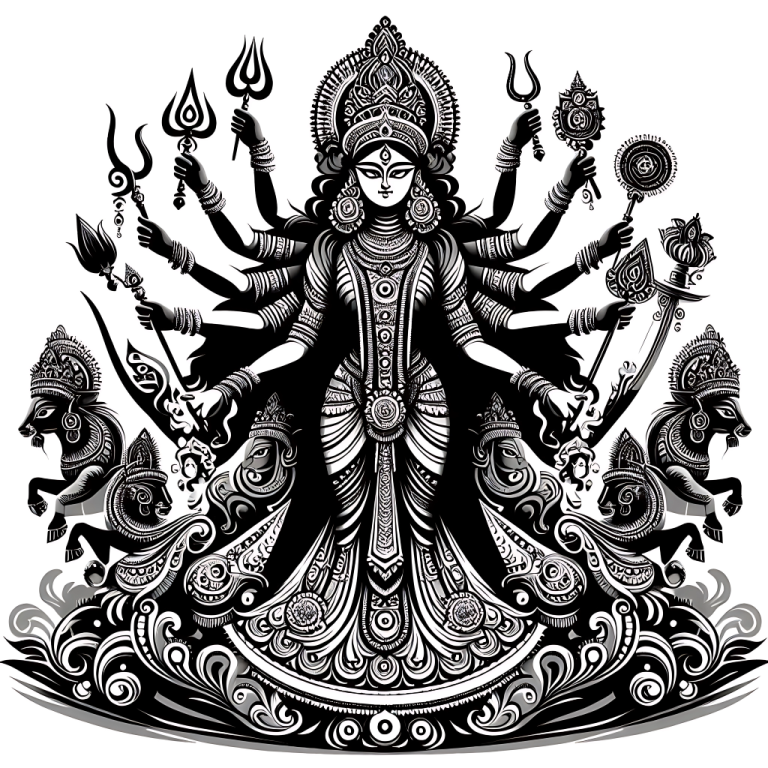
Table of Contents
The Mythological Roots – Understanding Navratri and Durga Puja
India, a land of colors, rhythms, and spirituality, welcomes each festival with unparalleled enthusiasm. Among the grandest of them are Navratri and Durga Puja, which together mark a vibrant celebration of feminine power. While the essence of these festivals remains rooted in tradition, their celebration has evolved with changing lifestyles, urbanization, and global influence. In 2025, as we move deeper into the digital age, the balance between traditional customs and modern expressions of these festivals becomes even more fascinating to observe.
Navratri – Nine Nights of Divine Feminine
Navratri, meaning “nine nights,” is celebrated across India in various forms. At its heart, it honors the divine feminine in the form of Goddess Durga and her nine avatars (Navadurga). Each day is associated with a different goddess, color, and ritual. The celebration culminates with Dussehra, symbolizing the victory of good over evil when Goddess Durga defeats the demon Mahishasura.
Durga Puja – The Homecoming of the Goddess
Durga Puja, primarily celebrated in West Bengal, Assam, Odisha, and parts of Bangladesh, revolves around the belief that the Goddess visits her maternal home during these five days. Artisans work for months to create stunning idols and thematic pandals (temporary structures). It’s a time for family reunions, traditional rituals, and lavish cultural performances.
Traditional Rituals – A Journey Through Time
Traditionally, both festivals involved strict adherence to religious customs. In earlier times, celebrations were centered around temples and community grounds, and rituals were passed down orally or through scriptures. Fasting, daily prayers, singing devotional songs (bhajans), and participating in community aartis were integral parts.
In Bengal, Kumari Puja, where a young girl is worshipped as a manifestation of the goddess, was (and still is) a revered tradition. Similarly, in Gujarat and Maharashtra, Garba and Dandiya Raas would go on all night, purely as a form of devotion and spiritual dancing.
Modern Celebrations – Technology Meets Tradition
Social Media, Livestreaming & Digital Aartis
In 2025, it’s not uncommon to see pandals streaming their Durga Puja rituals live on YouTube or Facebook. Families that are miles apart now connect digitally to witness rituals together. Even temple aartis are now available on apps, and people participate virtually from across the globe.
Fashion & Fusion Food
Navratri and Durga Puja are now as much about fashion and food as they are about prayer. With the rise of Instagram and influencer culture, festive fashion has taken a front seat. Designer lehenga cholis, Indo-western sarees, and fusion dhotis dominate the wardrobe.
On the food front, traditional fasting dishes have seen a gourmet twist. Think quinoa khichdi, avocado sabudana vadas, and mocktail thandai—a far cry from the humble fruits and vrat-wale aloo.
Regional Variations – A Beautiful Contrast
In West India, especially Gujarat and Maharashtra, Navratri is marked by high-energy Garba nights, often in massive stadiums with celebrity appearances and corporate sponsorships.
Meanwhile, East India celebrates Durga Puja with grandeur, focusing on elaborate pandal themes, community feasts (bhog), and cultural programs. Modern pujas now compete in design aesthetics, often replicating international landmarks or promoting social themes like sustainability.
Cultural Shifts – From Community to Commercialization?
Where earlier the festivals were managed by local communities or joint families, now event management companies, corporate sponsors, and local politicians play a key role. Brands compete for advertising space in pandals and on Garba grounds.
While this has brought in funds and professionalism, it has also raised concerns over losing the spiritual essence of these festivals. Critics argue that the heart of the festival—the goddess herself—is sometimes overshadowed by the glamour and marketing.
Sustainability & Environmental Awareness in 2025
Environmental consciousness has grown stronger in recent years. In 2025, many communities are opting for:
Clay idols with natural dyes
Ban on plastic decorations
Use of recycled materials for pandals
Immersions in artificial tanks to avoid polluting rivers
Youngsters are leading the change, with eco-conscious clubs and college groups organizing green pujas and digital campaigns.
Youth Participation – A Blend of Devotion & Innovation
Today’s youth are rediscovering their roots through modern tools. YouTube vloggers show behind-the-scenes of idol-making. Instagram reels teach how to wear a sari in a modern way. College students organize inclusive and gender-sensitive pujas.
Dance battles during Garba, open-mic poetry sessions on feminine power, and digital art contests on Durga themes are now common.
Can Tradition and Modernity Coexist Peacefully?
Yes, and they already are. In fact, the evolution of these festivals reflects the strength of Indian culture—adaptable yet deeply rooted. For instance:
Many urban pandals now start with traditional aartis but include contemporary dance or drama performances later in the evening.
People fast traditionally during the day but celebrate with modern music at night.
Youth may use AI to create goddess-inspired art but still bow their heads in reverence before the idol.
Conclusion – A Festival for All Times
Navratri and Durga Puja in 2025 serve as reminders of cultural continuity amid change. Whether you’re dancing in a traditional Garba circle or uploading a virtual darshan story, you’re participating in a legacy that spans centuries.
These festivals are no longer limited to a specific geography or class—they’re global, digital, and inclusive. And that’s the beauty of Indian traditions: they don’t fade away—they evolve.
May this Navratri and Durga Puja bring you strength, joy, and a connection to something larger than yourself—be it through rituals, celebrations, or reflection. 🌸🕉️
References
Popular Right Now !

Ghost Jobs: How to Spot Fake Listings and Improve Your Job Search Efficiency
Companies post ghost jobs for various reasons, and while these listings can be frustrating for job seekers, . .

CAT Results 2024 Updates: Exam Guide & Preparation Strategies
The CAT Results 2024 are highly anticipated by candidates who appeared for the exam. These results. . .

USA Study Fellowships
USA Study Fellowships for high school seniors and girl scholarships. . .